Divine Color: Hindu Prints from Modern Bengal


Sri Sri Krishna Balaram (detail), published by Kansaripara Art Studio, about 1910–20. Lithograph. Marshall H. Gould Fund.
Sri Sri Krishna Balaram (detail), published by Kansaripara Art Studio, about 1910–20. Lithograph. Marshall H. Gould Fund.
Explore the print technology that changed Indian pop culture, religion, and society
Vivid prints of divinities are part of daily life for Hindus in India and around the world, used for worship in homes, factories, and offices, as well as for adornment on cars, calendars, computers, and shop counters. The art world has historically overlooked these images, often called “calendar art,” because they are inexpensive and mass produced. But they have a rich and fascinating history in and influence on Indian art, religion, and society.
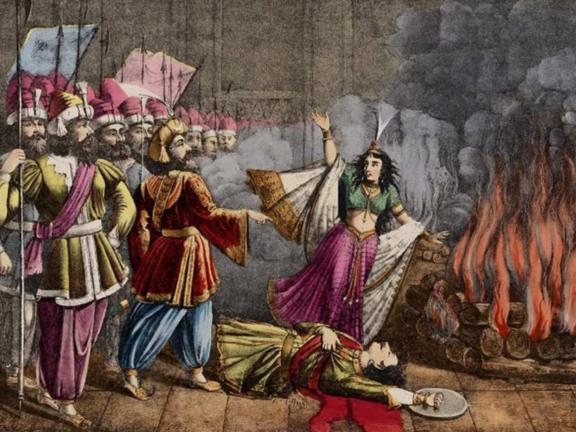
“Divine Color: Hindu Prints from Modern Bengal” explores these popular prints’ origins and powerful impacts. When Indian artists encountered the new printmaking technology of lithography in 19th-century Calcutta (today Kolkata), then the capital of British India, they used it to reinvent devotional art. Depictions of Hindu gods became more realistic, colorful, and accessible than ever before. Shrines in homes across the economic spectrum came to host these images, mixed and matched according to a family’s taste. Though the lithographs of Hindu gods created by Bengali artists were not expensive, they were valuable in other senses. Sold in the bustling bazaars of Calcutta where presses competed to attract customers, the prints served an important role in home worship, satisfied the artistic sensibilities of a Bengali society that had absorbed European fine art values, and helped to spread new political ideas. The exhibition considers how lithography gave these artists—who produced thousands of prints that traveled quickly across the nation—a means to change not just devotional but also artistic, political, and social life.
A highlight of the exhibition is the MFA’s collection of 38 vibrant lithographs from 19th-century Calcutta. The MFA is one of only two American museums that collects this material. This exhibition, the first of its kind in the United States, features more than 100 objects, including other prints, paintings, sculpture, and textiles from the Museum’s South Asian collection and select loans. It culminates in an immersive room developed in collaboration with the Delhi-based Tasveer Ghar—an organization dedicated to collecting, digitizing, and documenting South Asian popular visual culture—featuring wall-sized collages of 20th-century popular images.
- Lois B. and Michael K. Torf Gallery (Gallery 184)


Satyanarayan, printed and published by Kansaripara Art Studio, about 1910
Lithograph. Marshall H. Gould Fund.

Ganesha, printed by Chore Bagan Art Studio, published by Amar Nath Shaha, about 1895–1900
Lithograph. Marshall H. Gould Fund.

Kali: advertisement for Kali Cigarettes and other medicines, published by Calcutta Art Studio, about 1890–1900
Lithograph. Marshall H. Gould Fund.

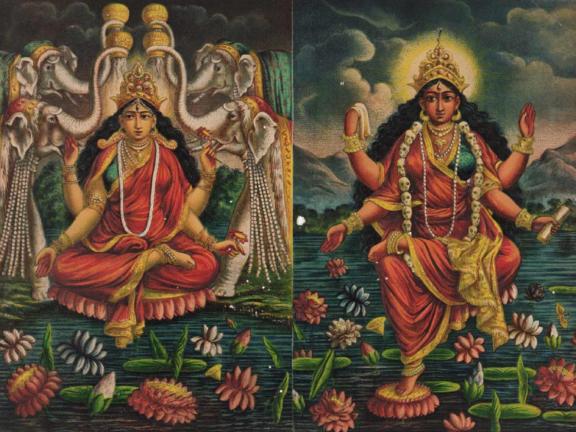
Kamala and Bhairavi, printed by Calcutta Art Studio, about 1885–95
Lithograph. Marshall H. Gould Fund.

Sri Sri Shiva Parvati, published by Calcutta Jubilee Art Studio, about 1880–90
Lithograph, hand painted with watercolor. Frank B. Bemis Fund, Elizabeth M. and John F. Paramino Fund in memory of John F. Paramino, Boston Sculptor, and Edwin E. Jack Fund.

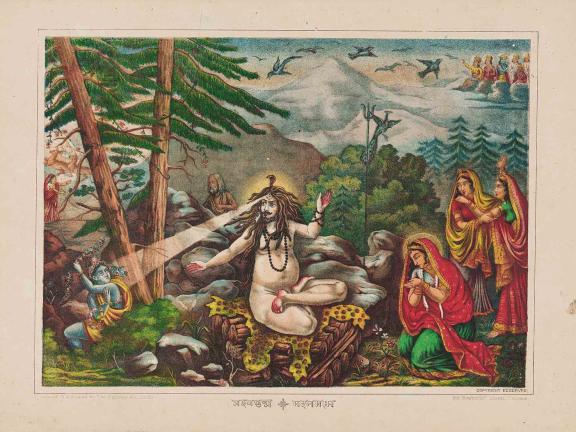
Madana-Bhasma (The Incineration of Madana), published by Calcutta Art Studio, about 1885–95
Lithograph. Marshall H. Gould Fund.

Sri Sri Dashabhuja, published by Calcutta Jubilee Art Studio, H. P. Bhur, about 1880–85
Lithograph, hand painted with watercolor. Frank B. Bemis Fund, Elizabeth M. and John F. Paramino Fund in memory of John F. Paramino, Boston Sculptor, and Edwin E. Jack Fund.

Shorhasi and Chinnamosta, printed by Calcutta Art Studio, about 1885–95
Lithograph. Gift of Mark Baron and Elise Boisanté.

Sri Sri Krishna Balaram, published by Kansaripara Art Studio, about 1910–20
Lithograph. Marshall H. Gould Fund.